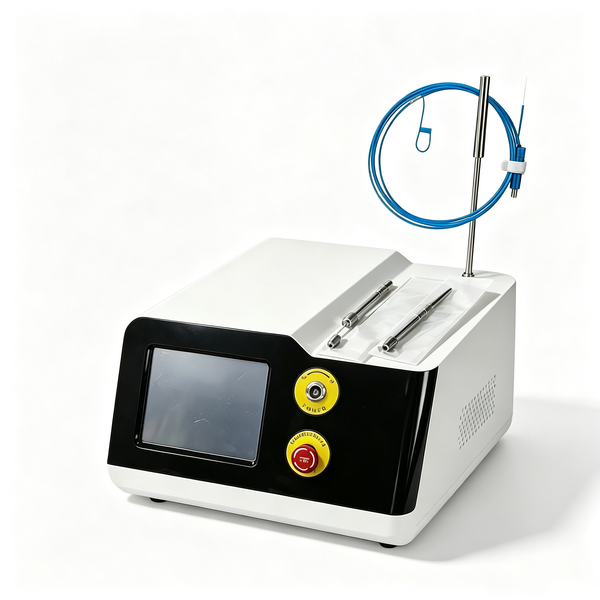
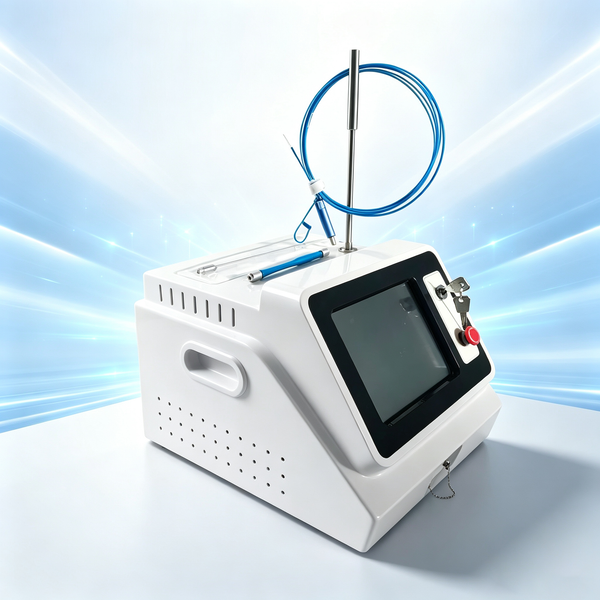
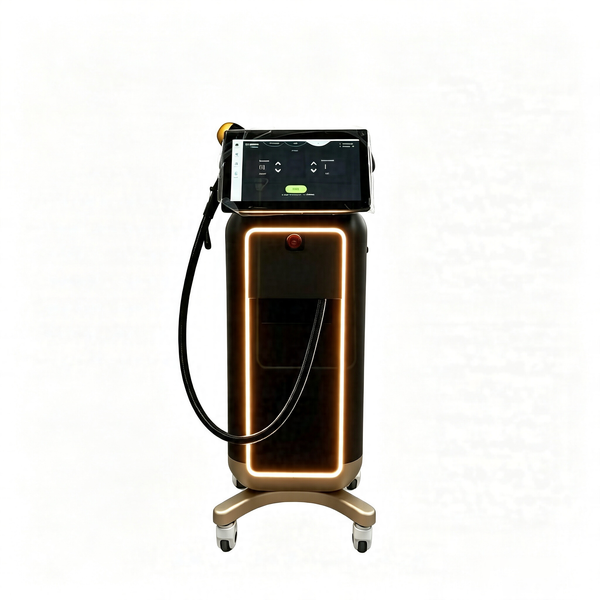
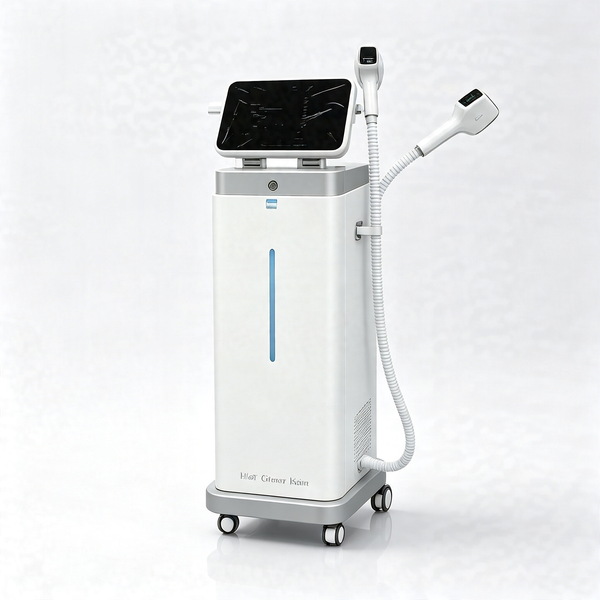
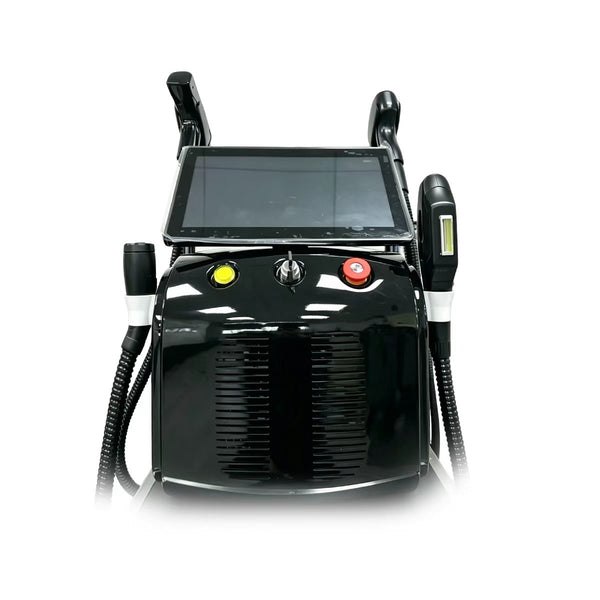
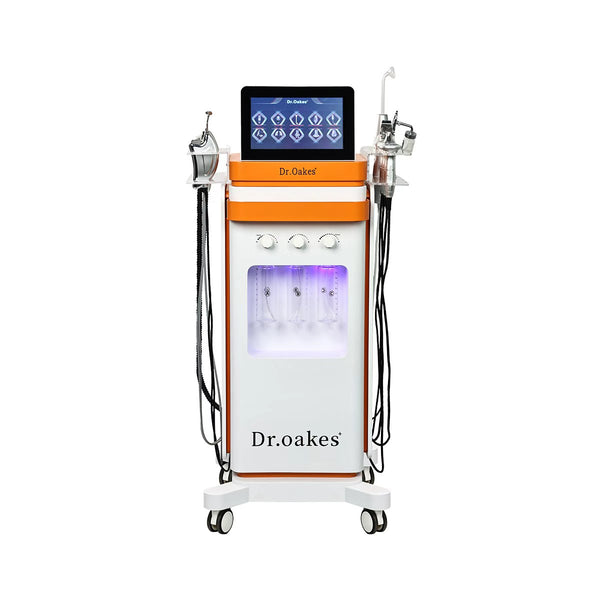
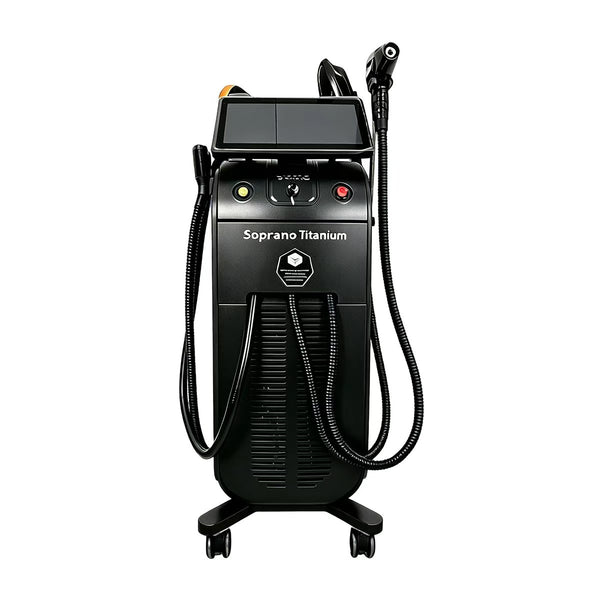
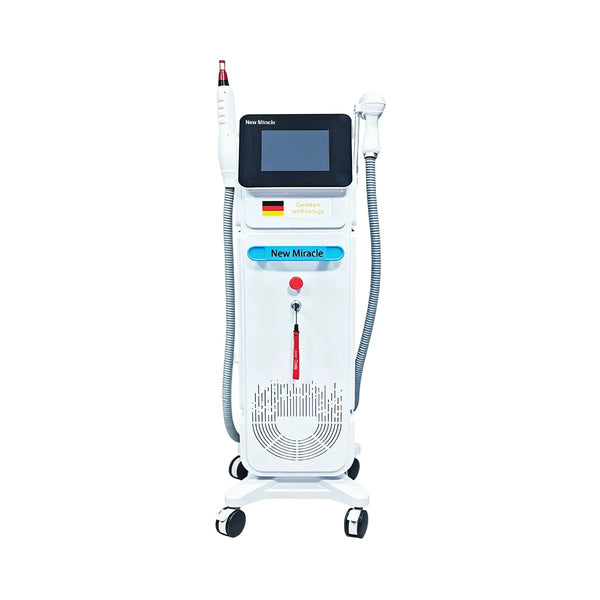
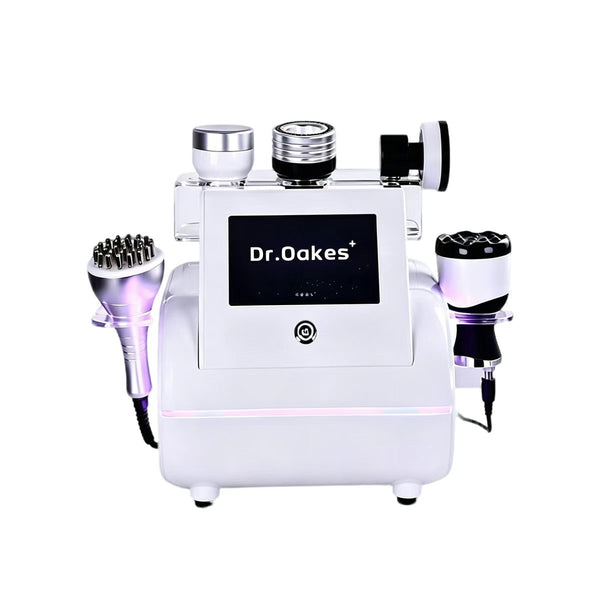
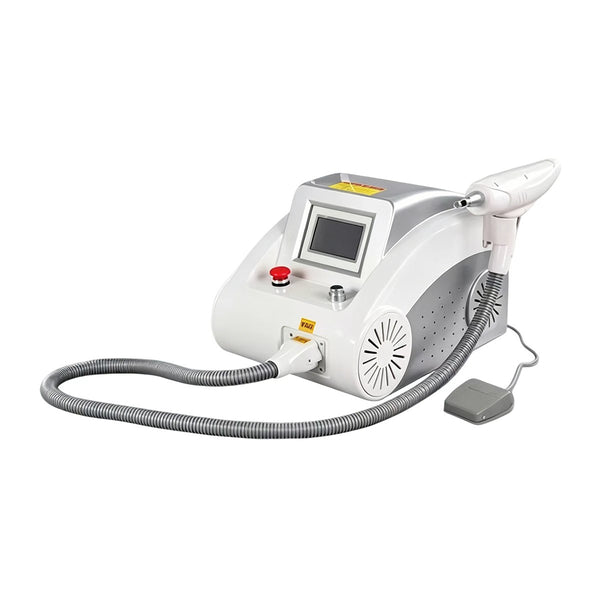
KuAn Technology T16 Cell Milk Phototherapy + Non-invasive Picosecond Laser Milk Photo Therapy Principle: Near-infrared spectrum, typically referring to near-infrared light with wavelengths around 900nm-1800nm. This light penetrates deeper than ordinary photons, reaching directly into the deep dermis. Thermal Effect: Water molecules absorb light energy, generating heat and raising skin temperature. This gentle thermal damage induces immediate collagen contraction and stimulates subsequent collagen regeneration.
Improved Circulation: Heat promotes local blood circulation, metabolizing waste products from the skin.
Features: Its main effects are brightening skin tone and refining skin texture. Because it does not target melanin, it is very safe with almost no scabbing period.
Cell Photo Therapy Principle: Refined application of narrow-spectrum pulsed light (DPL). Its technological basis is usually DPL, or narrow-spectrum light. Core Technology: Further compressing the broad spectrum of photon rejuvenation into a specific narrow frequency band. (For example, 500nm - 600nm) This frequency band is the "golden peak" for absorption by melanin and hemoglobin. Precise targeting: The energy is more concentrated, allowing it to precisely hit the target like a laser, while retaining the gentle characteristics of phototherapy.
Cell repair: Through low-energy photobiological regulation, it induces mitochondria to produce more A-cell energy, enhancing the cell's own repair and metabolic capabilities.
Features: Compared to ordinary phototherapy, it is more effective for rosacea and inflammatory pigmentation.
It has 6 glass slides, with corresponding slides matched to different skin types, achieving effects such as whitening and rejuvenation, reducing redness, and fading pigmentation. Non-invasive picosecond laser: Core principle: Photoacoustic shattering mechanism. The pulse duration of picosecond lasers is extremely short, nearly a thousand times faster than traditional nanosecond lasers. Because the light stays on the skin for a very short time, the heat does not have time to diffuse to the surrounding normal tissue, thus reducing the risk of burns and pigmentation. When using a special honeycomb lens, energy induces tiny "vacuoles" in the dermis. This micro-damage triggers the body's repair mechanisms, stimulating collagen regeneration. After removing blemishes, repairing acne scars, removing pigmentation, or tattoos, there is usually only slight redness and swelling, unlike traditional ablative lasers which cause scabbing and peeling.
You may also like